The Journey of Stainless Steel PVD Sheets: Discovery, Titanium Nitride Breakthrough & Modern Expansion
- nayan chaudhari
- Mar 2
- 4 min read

Updated: 3 days ago
Stainless Steel PVD Sheets have their origin stories in both their parent product (304 stainless steel) as well as through developments in the generation of PVD coatings. Today, PVD-coated stainless steel sheets can be found in everything from wall applications to hotels, elevators and luxury furnishings.
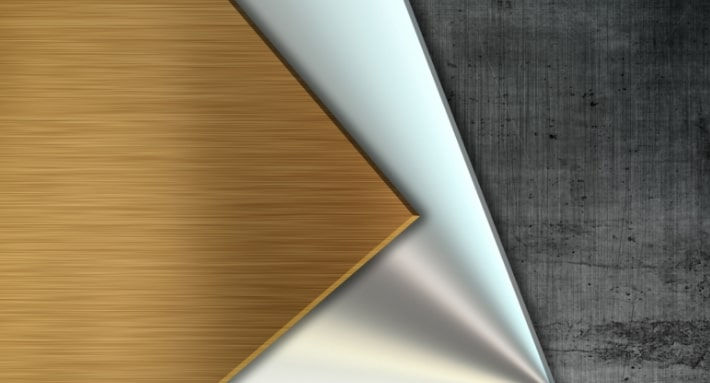
Discovery of Stainless Steel (1913)
In 1913, Harry Brearley invented stainless steel by using various types of chromium based alloy. His creation of rustproof steel changed the way many industries were operated; including:
- Construction
- Medical
- Kitchen
- Engineering
At the time that he created it, stainless steel could only be produced in a raw silver finish.
PVD Technology Creation (1960s-1970s)
The development of PVD Technology started in the early 1960s. At the start it was mostly used for:
Aerospace components
Military tools
Industrial cutting tools
The original purpose of PVD was to provide harder, more durable coatings; decorative coatings were secondary at best.
Titanium Nitride (TiN) Breakthrough (1980s)
Titanium Nitride Coating (TiN) Revolutionized The Industry In The 1980's. It Achieved An "Almost" Gold Finish While Also Giving Us:
Surface Hardness Improvements,
Scratch Resistance Improvements,
Corrosion Resistance Improvements.
This New Process Was The Beginning Of Decorative Stainless Steel Coatings.
🔹 Rise of Decorative Stainless Steel PVD Sheets (1990s)
By the 1990s, manufacturers started applying PVD coating to decorative stainless steel sheets. This created premium finishes such as:
Gold
Rose Gold
Bronze
Black
These sheets became popular in:
Elevators
Shopping malls
Luxury hotels
Commercial buildings
This period is considered the commercial beginning of Stainless Steel PVD Sheets in architecture.
Modern Expansion (2000–Present)
The technology has evolved into a reliable and economical application thanks to improvements in vacuum coating machines. Some benefits associated with using PVD sheets are:
- Durability of colour (10 – 20+ years)
- An environmentally friendly coating process
- Anti-fingerprint properties
- Multiple possible finishes – mirror, satin, wood grain, etc.
Widely accepted and represent significant technological advances in construction and interior design for many countries around the world including the USA, China, Italy and India, as well.
What is a Stainless Steel Ti PVD Sheet?
Stainless Steel Ti PVD Sheet is defined as a stainless steel PVD sheets coated by Titanium (Ti) Physical Vapor Deposition (PVD). The Titanium PVD process involves the use of titanium particles which are vaporized and then bonded to the steel surface at the molecular level.
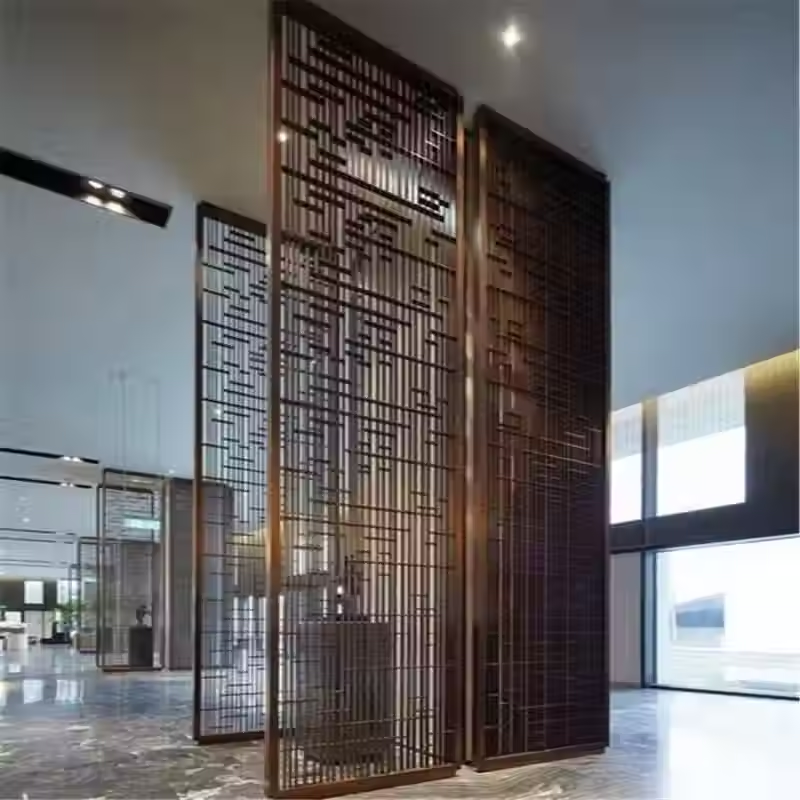
What Does “Ti PVD” Mean?
Ti = Titanium
PVD = Physical Vapor Deposition
Titanium nitride (TiN) compounds, as well as other titanium compounds, produce colors ranging from luxurious metals such as gold, bronze, black, and rose gold.
Stainless Steel Grades Used for Ti PVD Sheets
The quality of the base material plays a direct role in the performance. A high-quality Stainless Steel PVD Sheets is generally manufactured using:
201 Grade
Suitable for interior decorative applications where budget is a consideration.
304 Grade
The most popular choice for commercial and residential interiors due to its excellent corrosion resistance.
316 Grade
Suitable for use in coastal areas and for external applications due to better resistance against corrosion.
The right grade of our Stainless Steel PVD Sheets will help the product perform optimally in the desired environment.
Advantages of Stainless Steel PVD Sheets
There are many reasons why architects prefer Stainless Steel PVD Sheets materials, which are as follows:
Long-Lasting Color
A Stainless Steel Ti PVD Sheet can last for 10–20+ years without losing its color.
High Scratch Resistance
The titanium coating also helps the Stainless Steel Sheet be scratch resistant.
Corrosion Resistance
A Stainless Steel Sheet can also be used in humid environments.
Eco-Friendly Process
PVD does not use any harmful chemicals.
Premium Luxury Look
A Stainless Steel Ti PVD Sheet has a rich look that paint cannot provide.
Low Maintenance
A Stainless Steel Ti PVD Sheet can be easily maintained, and it can look new for many years.
Stainless Steel Ti PVD Sheet vs Painted Sheets
When comparing a Stainless Steel Ti PVD Sheet with painted or laminated sheets, the difference is clear:
Feature | Stainless Steel Ti PVD Sheet | Painted Sheet |
Durability | Very High | Moderate |
Scratch Resistance | Excellent | Low |
Color Life | 10–20+ Years | 3–5 Years |
Luxury Finish | Metallic & Rich | Flat |
Maintenance | Low | Moderate |
The above comparison clearly shows why a Stainless Steel Ti PVD Sheet is considered a long-term investment.
Why Stainless Steel Ti PVD Sheet is Trending in Modern Architecture
Modern architecture requires materials that offer durability as well as elegance. A material like a Stainless Steel Ti PVD Sheet meets these requirements. A Stainless Steel Ti PVD Sheet finish is preferred by architects because:
It reflects luxury
It adds to the brand image
It offers long-term value
It provides flexibility
The global SS Ti PVD Sheet market continues to grow as a material used in the construction of luxury buildings.
Conclusion
A Ti PVD Sheet is not just a mere design element, but it is a highly advanced solution for architecture. Its exceptional durability, luxurious colors, and long-term value make a Stainless Steel Ti PVD Sheet a highly recommended solution for today’s interior and exterior designs.
Whether you are planning a hotel, showroom, elevator, or a luxurious home, investing in a Stainless Steel Ti PVD Sheet is a sure shot way to go for durability, elegance, and reliability.
If you are planning your next project, selecting the right Stainless Steel Ti PVD Sheet will greatly improve your project’s performance and looks.
Comments